
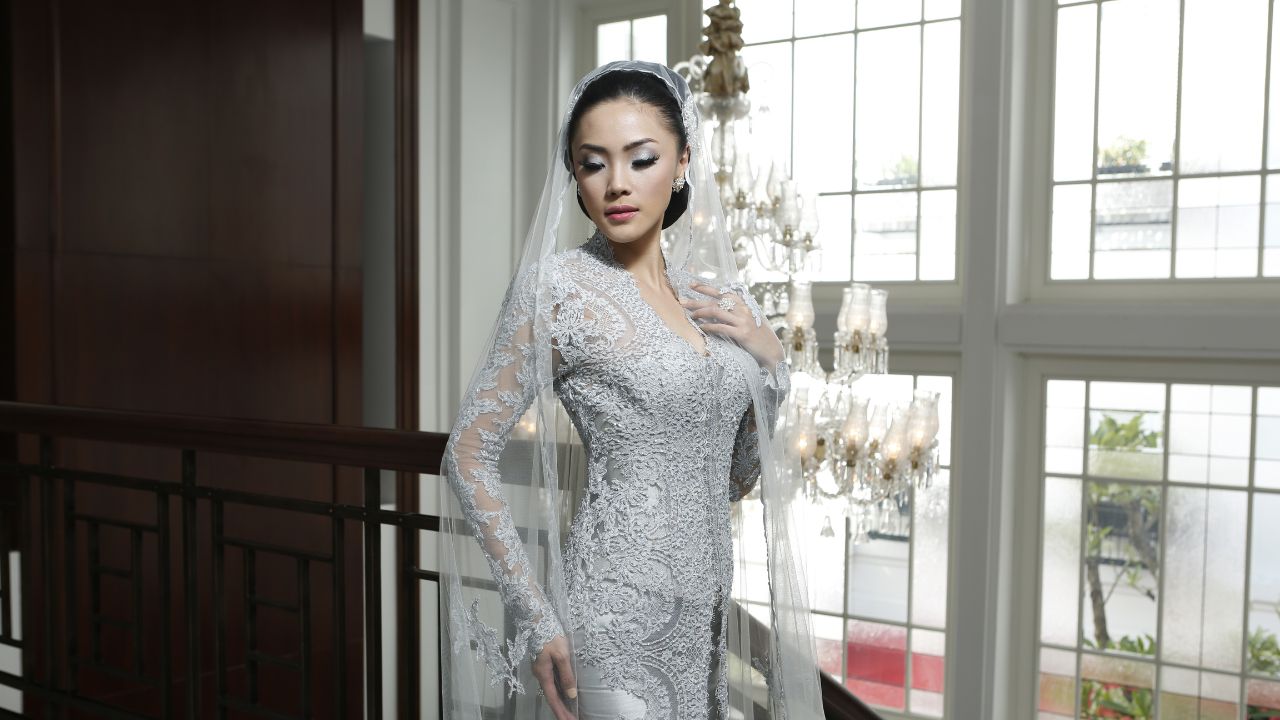
Kebaya continues to evolve while remaining a powerful symbol of heritage, identity, and beauty - read more
More than just a piece of clothing, kebaya is a cultural statement that has endured centuries of change. It is sophisticated, feminine, and steeped in tradition. Worn across Indonesia and parts of Southeast Asia, kebaya continues to evolve while remaining a powerful symbol of heritage, identity, and beauty.
The Extended Journey
The kebaya’s origins trace back to the blending of cultures in the Indonesian archipelago. Influences from Javanese, Malay, Chinese, Arab, and European traditions shaped its form over time. Historically worn by women of the royal courts as well as everyday society, the kebaya gradually became a national dress, particularly associated with grace, modesty, and refinement.
During the colonial era, the kebaya also became a marker of social identity. Different styles, fabrics, and embroidery distinguished regions and communities. From the structural elegance of kebaya Kartini, named after Indonesia’s national heroine, to the elaborate lace of kebaya encim worn by Peranakan women.

Different Styles, Unique Stories
One of the kebaya’s most captivating qualities is its diversity. Each region tells its own story through cut, material, and ornamentation.
In Java, kebaya designs emphasize simplicity and symmetry, often paired with batik sarongs. Balinese kebaya, on the other hand, features brighter colors and fitted silhouettes, reflecting the island’s ceremonial traditions. Meanwhile, modern kebaya embraces contemporary tailoring, lighter fabrics, and experimental details, appealing to younger generations.
Despite these variations, all kebaya styles share a common thread: an emphasis on elegance and craftsmanship.

A Reflection of Indonesian Women
Today, the kebaya has found new life on fashion runways, red carpets, and social media. Indonesian designers are reimagining the traditional form with modern cuts, sheer fabrics, bold colors, and sustainable textiles—proving that heritage and innovation can coexist beautifully.
Anne Avantie, one of the Indonesian designers, said,“Women in kebaya are a reflection of Indonesian women.”
This illustrates the significance of the kebaya for Indonesian women. It makes sense that public officials and celebrities wearing kebayas at international events have contributed to the global awareness of this iconic garment.
At weddings, formal celebrations, and national holidays, the kebaya remains a preferred choice, symbolizing respect for tradition while embracing personal style.
At its core, the kebaya represents more than fashion. It reflects womanhood, resilience, and cultural continuity. In a rapidly changing world, wearing this Indonesian national clothing is a way of honoring the past while confidently stepping into the future.
“Women in kebaya are not present to simply be loved, but they are present to love, soothe, and bring stories to life to build inner spaces for those around them,” said Anne Avantie.
As trends come and go, the kebaya endures—timeless, graceful, and forever relevant.
By: Kazuri Team
Photo: Courtesy of The Portrait Photography, Weddingku, @therealdisastr, @bungajelitha66


